
The Syriac Orthodox Church of Antioch
A Brief Overview
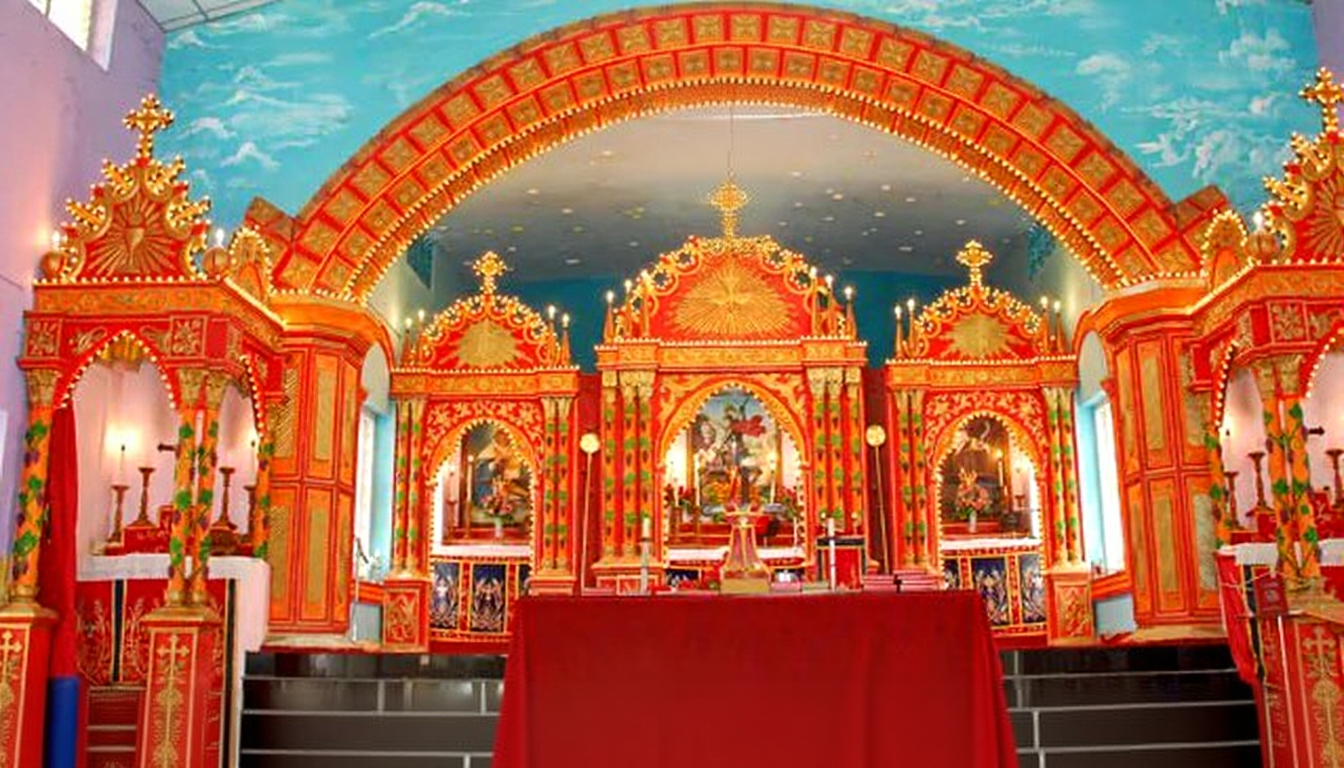
A few Christian denominations can claim the antiquity of the Syriac Orthodox Church of Antioch, whose foundation can be traced back to the very dawn of Christianity. The Church justifiably prides itself as being the earliest established apostolic churches. It was in Antioch, after all, that the followers of Jesus were called Christians as we are told in the New Testament, "The disciples were first called Christians in Antioch." (Acts 11:26).
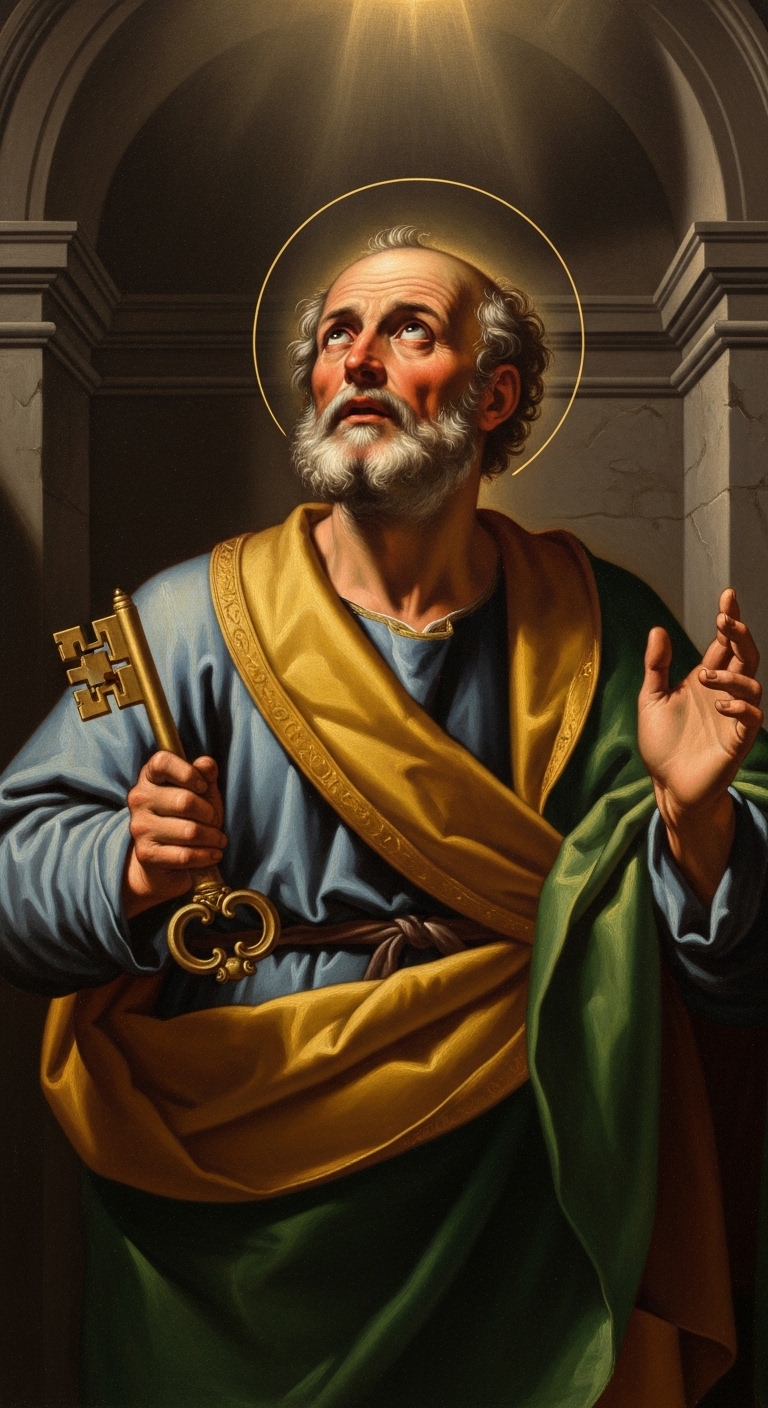
According to ecclesiastical tradition, the Church of Antioch is the second established church in Christendom after that of Jerusalem, and the prominence of its Apostolic See is well documented. In his Chronicon (I, 2), the church historian Eusebius of Caesarea tells us that St. Peter the Apostle established a bishopric in Antioch and became its first bishop. He also tells us that St. Peter was succeeded by Evodius. In another historical work, Historici Ecclesiastica, Eusebius tells us that Ignatius the Illuminator, "a name of note to most men, [was] the second after Peter to the bishopric of Antioch" (III, 36).
The Patriarchate and Historical Development
In the mid of the 5th century, the Bishop of Antioch, and his counterparts in Alexandria, Byzantium and Rome, would be called patriarchs. The Syriac Orthodox Patriarch of Antioch used to be known by his own name; however, since 1293 the patriarchs of Antioch adopted the name Ignatius, after Ignatius the Illuminator. The See of Antioch continues to flourish till our day, with His Holiness Patriarch Ignatius Zakka I, being the 122nd in the line of legitimate patriarchs.
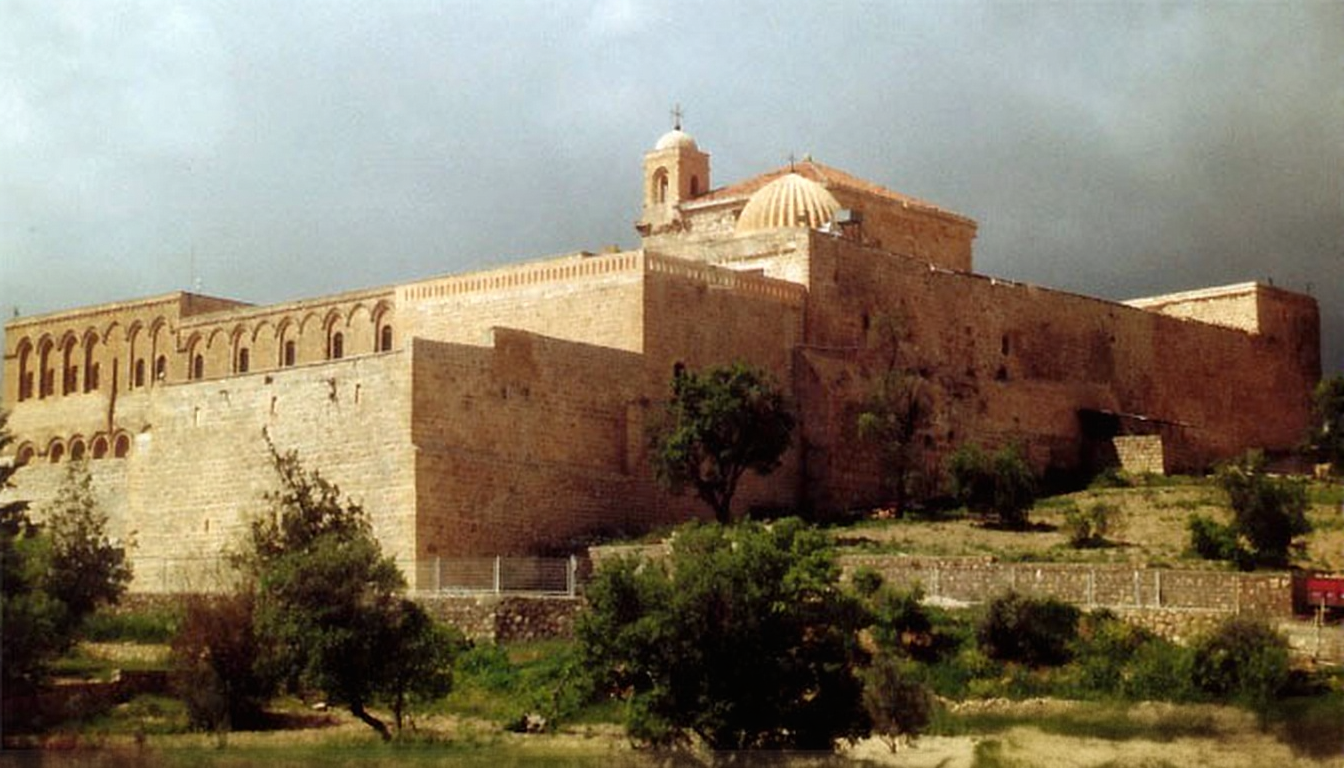
The patriarchate was forced to move from Antioch in A.D. 518, after a period of turbulent history, to various locations in the Mesopotamia until it settled in Deir az-Za'faran monastery in Mardin, Turkey, during the 13th century. After another period of heinous violence during and after World War I, which took the lives of a quarter million Syriac Orthodox faithful, the Patriarchate was transferred to Homs, Syria, in 1933, and later to Damascus in 1959.
Unique Characteristics of the Syriac Orthodox Church
The Syriac Orthodox Church is quite unique for many reasons. Firstly, it presents a form of Christianity which is Semitic in nature, with a culture not far from the one Christ himself experienced. Secondly, it employs in its liturgy the Syriac language, an Aramaic dialect akin to the Aramaic spoken by Christ and the Apostles. Thirdly, its liturgy is one of the most ancient, and has been handed from one generation to another.
Fourthly, and most importantly, it demonstrates the unity of the body of Christ by the multiethnic nature of its faithful: A visit to your local Syriac Orthodox Church in Europe or the Americas would demonstrate, for example, the blend of Near Eastern and Indian cultures in the motifs and vestments of clergy. The Syriac Orthodox faithful today live primarily in Middle Eastern countries and the Indian State of Kerala, with many communities in the diaspora.
Ecumenical Relations and Modern Identity
The Syriac Orthodox Church has been a member of the World Council of Churches since 1960, and is one of the founding members of the Middle East Council of Churches. The Church takes part in ecumenical and theological dialogues with other churches. As a result of these dialogues, the Church has issued two joint declarations with the Roman Catholic Church and another with the Eastern Orthodox churches.
The Church has been known in English by the name "Syrian Orthodox Church". The Holy Synod of the Church adopted the translation "Syriac Orthodox Church" in its session of Mar 28-Apr 3, 2000 due to the needs of the faithful in the diaspora.